
Depeche Mode’s “It’s No Good” Still Sounds Like the Future
Some Depeche Mode songs belong to a particular era. “It’s No Good” somehow escaped it.
Released in 1997 as the second single from the album Ultra, “It’s No Good” arrived at an important moment in Depeche Mode’s history. Written by Martin Gore and produced by Tim Simenon, the song followed “Barrel of a Gun” and revealed a more melodic, immediately accessible side of the band. It became one of the defining songs from Ultra, while continuing the electronic sound that had made Depeche Mode so distinctive.
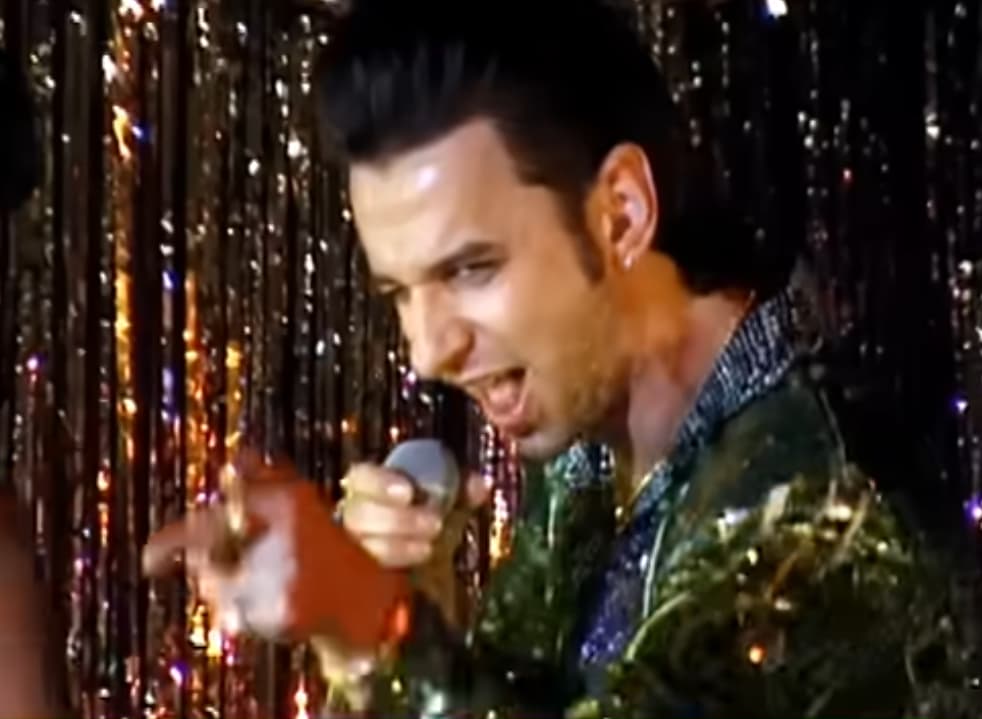
The official music video adds another layer to the experience. Directed by Anton Corbijn, the longtime visual collaborator of Depeche Mode, the clip was released on March 31, 1997. Corbijn also appears at the beginning of the video, introducing the band with an intentionally amusing mistake by announcing the wrong song title.
That strange sense of humor is part of what makes the video memorable. Rather than presenting Depeche Mode as untouchable rock stars, Corbijn places them inside a deliberately unconventional performance setting. The visual style feels playful, theatrical and slightly surreal, while the song itself remains hypnotic and emotionally controlled.
For many listeners, that contrast is exactly the appeal of “It’s No Good.” The production is polished, but there is still something dark underneath it. Dave Gahan’s vocal gives the song its emotional weight, while Gore’s songwriting keeps the melody deceptively simple and memorable.
The reaction from longtime fans also shows how deeply the song has stayed with listeners. Some regard it as one of the band’s most underrated songs. Others remember discovering Depeche Mode through concerts and returning to the group decades later, only to find that the music still carries the same emotional power.
That may be the greatest achievement of “It’s No Good.”
Nearly three decades after its release, it does not sound like a forgotten track from 1997. It sounds unmistakably like Depeche Mode, yet somehow outside of time.
And perhaps that is why fans can still hear those opening sounds today and immediately know exactly where they are.