
The Depeche Mode Song That Made 1984 Feel Shockingly Modern
In 1984, Depeche Mode released a song that sounded unlike almost anything else on mainstream radio. “Master and Servant” arrived with an aggressive electronic pulse, provocative lyrics and a strange sense of tension that immediately separated the band from the brighter side of early synth pop.
Written by Martin Gore, the song was released as a single on August 20, 1984, and became the second single from the album Some Great Reward. It reached number nine on the UK Singles Chart, giving Depeche Mode another major success during one of the most important periods in their development.
The song was deliberately provocative. Its central imagery explores domination and submission, using the language of a master and servant relationship while drawing a connection between those dynamics and everyday life. That combination gave the track a much darker character than the polished synth pop that had dominated parts of the early 1980s.
The production was equally important. Depeche Mode worked with Daniel Miller and Gareth Jones, and the recording was made at Music Works in London before being mixed at Hansa Mischraum in Berlin. One of the track’s most recognizable effects was created using processed sounds rather than a conventional whip recording, adding another layer of industrial character to the production.
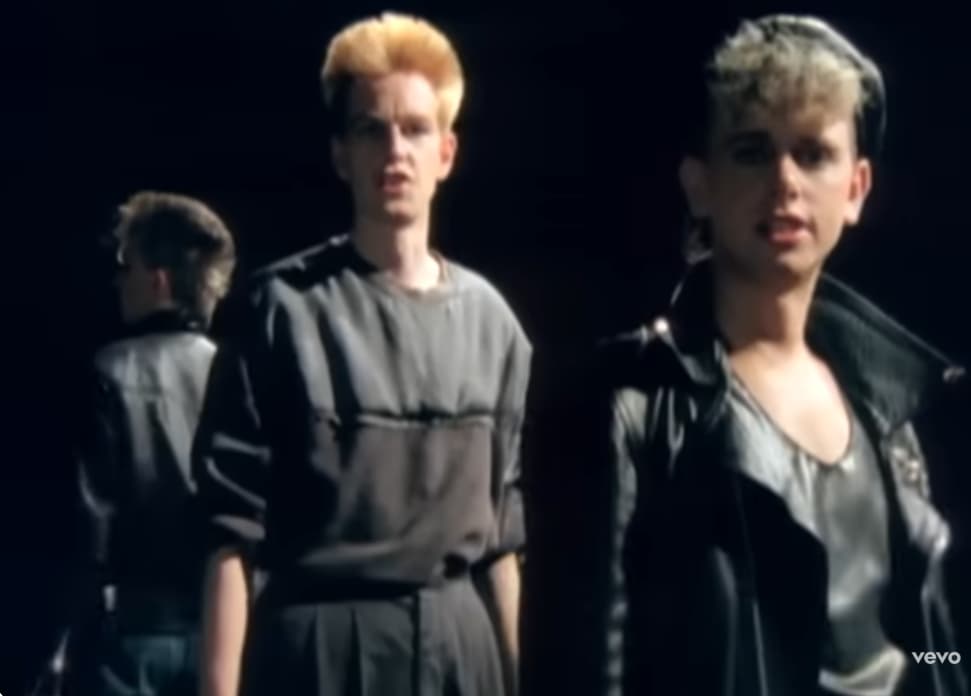
The official music video, directed by Clive Richardson, was released in August 1984. It presented the band during a period when their visual identity was becoming increasingly associated with the darker and more confrontational side of their music.
What makes “Master and Servant” remarkable today is not simply its controversial subject matter. It is the way Depeche Mode transformed provocative ideas into a powerful electronic pop record without losing its ability to move a dance floor.
The track helped define the direction the band would continue exploring throughout the decade. The bright synth pop of their earliest years was gradually giving way to something more industrial, darker and more adventurous.
More than four decades later, “Master and Servant” still feels strangely modern. Its machines remain cold and precise, its rhythm remains built for movement, and its subject remains deliberately uncomfortable.
That may be the real reason the song has survived.
Depeche Mode did not simply make electronic music for 1984.
They made music that refused to stay trapped there.